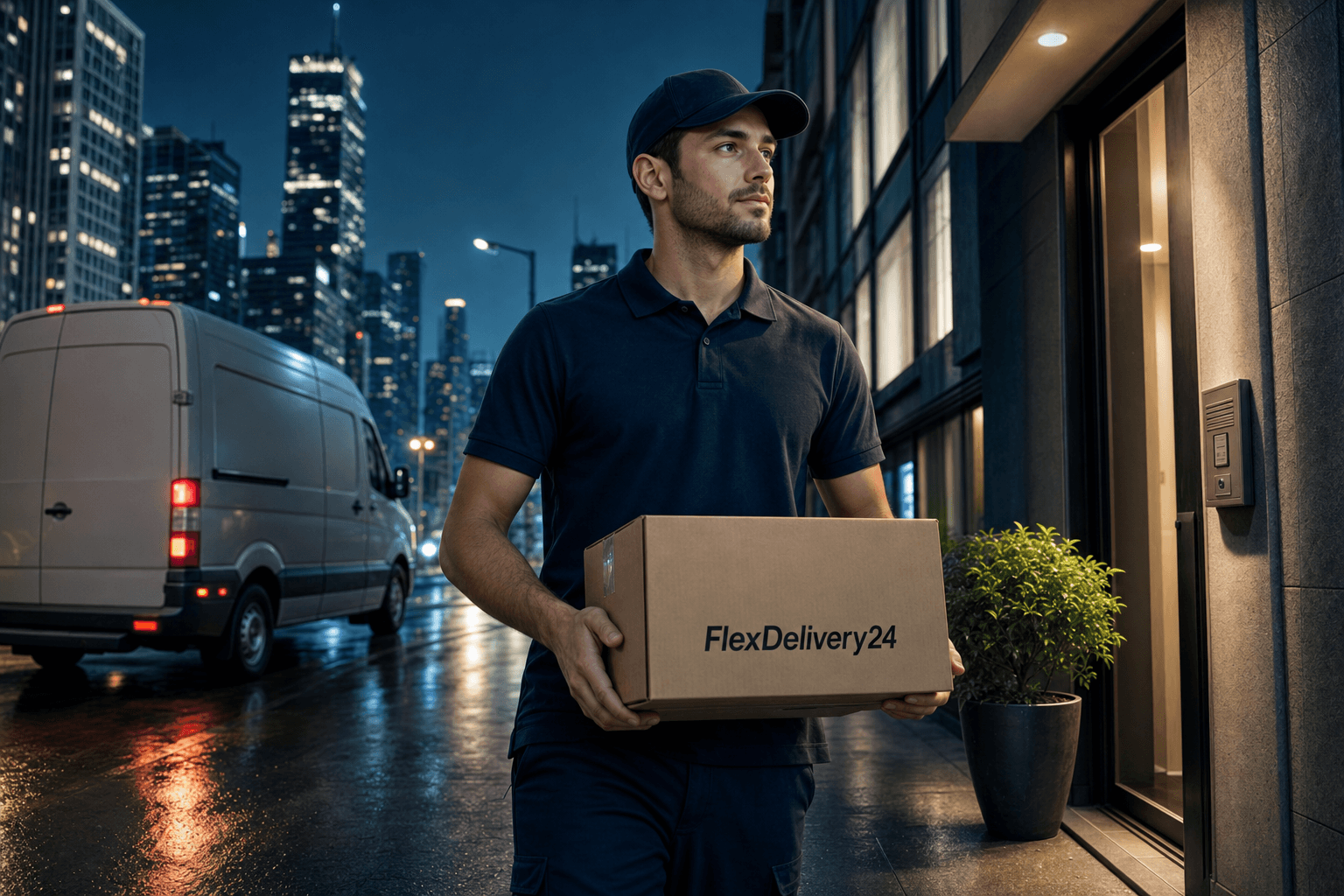
From Click to Doorstep: How FlexDelivery24 Powers Nigeria's Growing Online Businesses
Introduction
Nigeria's e-commerce sector is experiencing unprecedented growth. With over 220 million people, a rapidly expanding middle class, and smartphone penetration rising year after year, online shopping has shifted from a novelty to a necessity. Industry reports estimate that Nigeria's e-commerce market is worth billions of dollars and growing at double-digit rates annually, driven by platforms selling everything from fashion and electronics to groceries and pharmaceuticals.
But behind every successful online order lies a complex, often invisible process: logistics. The journey 'from click to doorstep' is where many businesses succeed or fail. This is where FlexDelivery24 steps in — bridging the gap between digital storefronts and physical fulfillment, helping Nigerian entrepreneurs and established businesses scale confidently in a market that is as promising as it is challenging.
In this article, we explore the pain points plaguing Nigeria's logistics industry, the technological innovations reshaping delivery, evolving customer expectations, and how FlexDelivery24 is positioned as a trusted partner for businesses navigating this dynamic landscape.
The Current Pain Points Disrupting Nigerian E-commerce Logistics
Despite the explosive growth of online retail, logistics remains one of the biggest bottlenecks for Nigerian businesses. Understanding these challenges is key to appreciating why specialized delivery solutions matter.
1. Poor Addressing Systems
Unlike many developed markets, Nigeria lacks a standardized, nationwide addressing system. Streets are often unnamed, buildings unnumbered, and landmarks become the default navigation tool. This creates delays, failed deliveries, and frustrated customers.
2. Traffic Congestion and Infrastructure Gaps
Major cities like Lagos, Abuja, and Port Harcourt suffer from chronic traffic congestion. Combined with inconsistent road infrastructure, especially in peri-urban and rural areas, delivery times can become unpredictable, eroding customer trust.
3. High Rates of Failed Deliveries and Returns
Cash-on-delivery remains popular in Nigeria, but it also drives up failed delivery rates when customers are unavailable or change their minds. This increases operational costs for businesses and delivery providers alike.
4. Fragmented Logistics Networks
Many small and medium businesses rely on informal couriers or multiple disjointed providers, leading to inconsistent service quality, lack of tracking, and limited accountability.
- Unreliable delivery timelines damaging brand reputation
- Limited last-mile coverage in rural and semi-urban areas
- High cost-to-serve ratios for small businesses
- Lack of real-time visibility into shipment status
These pain points aren't just inconveniences — they represent real revenue loss and customer churn for e-commerce businesses trying to build loyalty in a competitive market.
Technological Advancements Reshaping Nigerian Logistics
The good news is that technology is rapidly transforming how deliveries are managed across Nigeria. Logistics providers that invest in innovation are setting new standards for speed, transparency, and efficiency.
Real-Time Tracking and Route Optimization
GPS-enabled tracking systems now allow businesses and customers to monitor shipments in real time. Route optimization algorithms help drivers avoid traffic bottlenecks, reducing delivery times significantly.
Automated Dispatch and AI-Powered Demand Forecasting
Artificial intelligence is increasingly used to predict delivery volumes, optimize fleet allocation, and reduce idle time. This ensures that delivery resources are deployed where and when they're needed most.
Digital Wallets and Alternative Payment Integration
As Nigeria's fintech ecosystem matures, logistics providers are integrating with digital wallets and payment gateways, reducing reliance on cash-on-delivery and minimizing failed transaction risks.
Geocoding Solutions for Address Challenges
To solve Nigeria's addressing problem, forward-thinking logistics companies are leveraging geocoding and pin-drop location technology, allowing customers to share exact GPS coordinates instead of relying on verbal directions.
These innovations are not just conveniences — they are becoming competitive necessities for any business serious about scaling its online operations in Nigeria.
Rising Customer Expectations in the Digital Age
Nigerian consumers, like their global counterparts, are becoming increasingly sophisticated in their expectations. The success of international platforms has reset the bar for what 'good service' looks like.
What Today's Customers Demand:
- Speed: Same-day or next-day delivery is quickly becoming the expectation, not the exception.
- Transparency: Customers want real-time updates and accurate ETAs, not vague promises.
- Flexibility: Options for delivery time slots, pickup points, and payment methods matter more than ever.
- Reliability: One bad delivery experience can permanently damage customer trust and brand loyalty.
- Affordability: Customers expect competitive delivery fees, especially in a price-sensitive market.
For e-commerce businesses, meeting these expectations in-house is often impractical and expensive. This is why partnering with a dedicated logistics provider has become a strategic imperative rather than a luxury.
Operational Complexities Behind Seamless Delivery
Delivering a package from a warehouse to a customer's doorstep involves far more complexity than most consumers realize. For businesses, understanding these operational layers highlights why robust logistics partnerships matter.
Key Operational Challenges Include:
- Inventory and Warehouse Coordination: Ensuring stock is positioned strategically to minimize delivery distances and times.
- Fleet Management: Balancing vehicle types (bikes, vans, trucks) based on order volume, distance, and terrain.
- Last-Mile Execution: The most expensive and failure-prone segment of the delivery chain, often accounting for over 50% of total shipping costs.
- Multi-City Scalability: Expanding delivery capabilities beyond Lagos and Abuja into secondary cities and rural markets.
- Returns Management: Efficiently handling reverse logistics for returned or undelivered goods.
Businesses that attempt to manage these complexities independently often find themselves overwhelmed, diverting resources away from product development, marketing, and customer acquisition — the core drivers of growth.
Sustainability and Regulatory Compliance: The Next Frontier
As Nigeria's logistics sector matures, sustainability and compliance are becoming critical considerations, both for regulatory reasons and consumer preference.
Environmental Considerations
With increasing urban congestion and emissions concerns, logistics providers are exploring:
- Route consolidation to reduce fuel consumption
- Electric and hybrid vehicle pilots in urban delivery fleets
- Eco-friendly packaging initiatives to minimize waste
Regulatory Landscape
Nigeria's logistics industry operates within an evolving regulatory framework covering transportation licensing, data protection (especially under the Nigeria Data Protection Act), and consumer protection laws. Compliance isn't optional — it's foundational to building trust and avoiding costly disruptions.
Forward-thinking logistics providers proactively align with these regulations, positioning themselves as reliable, long-term partners rather than reactive service providers.
How FlexDelivery24 Is Powering Nigeria's E-commerce Boom
FlexDelivery24 was built with a clear understanding of these industry realities. Rather than offering a one-size-fits-all courier service, FlexDelivery24 positions itself as a strategic logistics partner for businesses of all sizes — from solo entrepreneurs running Instagram shops to established e-commerce platforms processing thousands of orders daily.
What Sets FlexDelivery24 Apart:
- Nationwide Coverage: Reliable delivery networks spanning major cities and expanding into underserved regions.
- Real-Time Tracking: End-to-end visibility for both businesses and their customers, reducing uncertainty and support inquiries.
- Flexible Delivery Options: Same-day, next-day, and scheduled delivery windows tailored to business needs.
- Smart Address Resolution: Geolocation tools that solve Nigeria's addressing challenges, reducing failed delivery rates.
- Dedicated Account Support: Business clients receive hands-on support to optimize shipping strategies as they scale.
- Secure Payment Integration: Multiple payment options, including cash-on-delivery and digital payments, reducing friction at checkout.
Real-World Impact
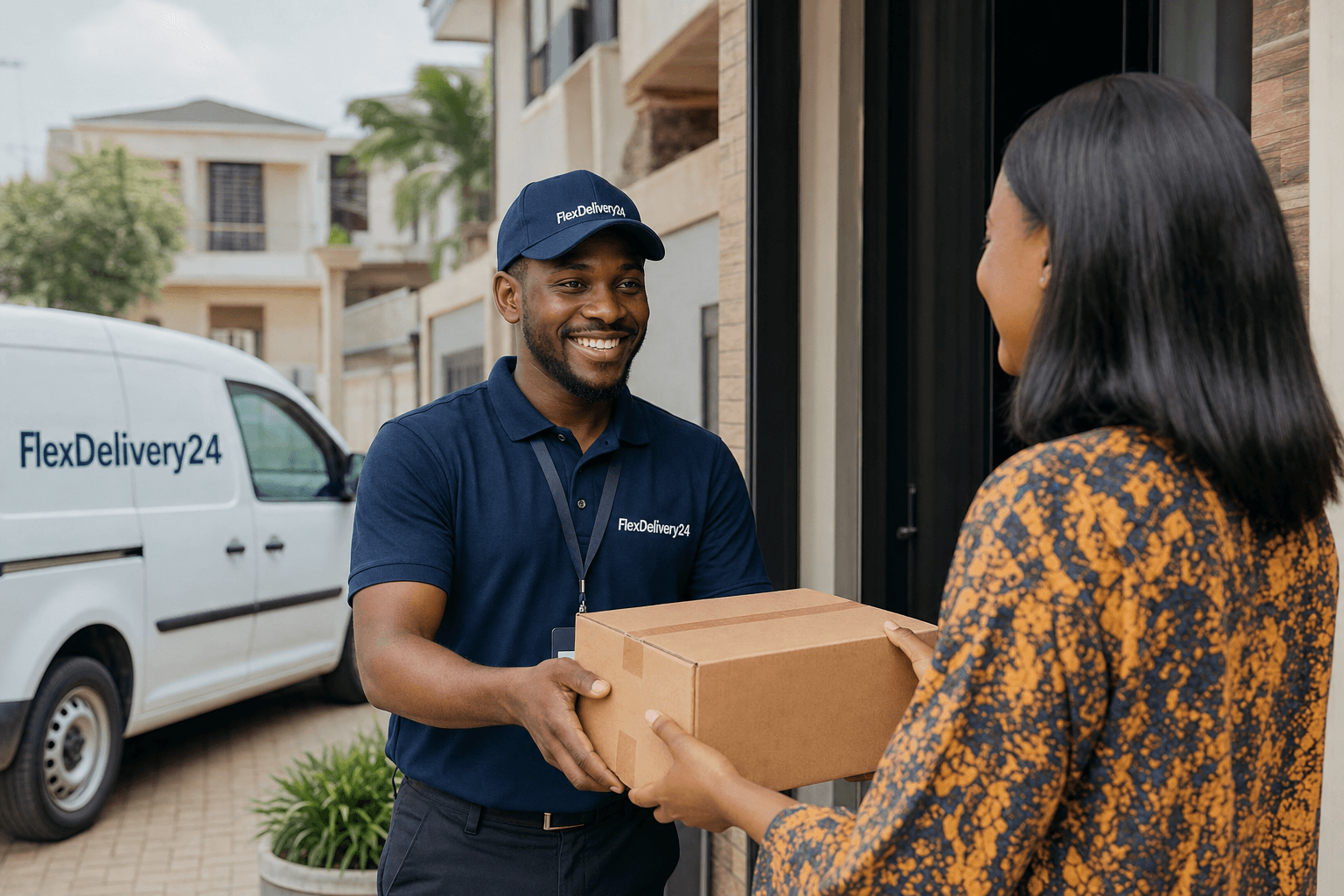
Small business owners using FlexDelivery24 have reported significant reductions in failed deliveries and improved customer satisfaction scores. By outsourcing logistics complexity to a specialized partner, these businesses have been able to redirect time and resources toward growth — expanding product lines, entering new markets, and investing in marketing.
For larger e-commerce platforms, FlexDelivery24's scalable infrastructure means they can handle demand spikes during sales events and festive seasons without compromising delivery speed or reliability — a critical factor during Nigeria's increasingly competitive shopping periods like Black Friday and Detty December.
Why Logistics Partnerships Matter More Than Ever
As competition intensifies across Nigeria's digital marketplace, delivery experience has become a key differentiator — often as important as product quality or pricing. Businesses that fail to invest in reliable logistics risk losing customers to competitors who can promise, and deliver, a better experience.
FlexDelivery24's approach recognizes that logistics isn't just a back-end function — it's a core part of the customer experience and brand reputation. By combining technology, operational expertise, and deep knowledge of Nigeria's unique market conditions, FlexDelivery24 enables businesses to focus on what they do best: building great products and serving their customers.
Conclusion
Nigeria's e-commerce industry stands at an exciting inflection point. The opportunities are immense, but so are the operational challenges — from poor addressing systems and traffic congestion to rising customer expectations and regulatory complexities. Success in this environment requires more than ambition; it requires the right logistics infrastructure and partnerships.
FlexDelivery24 is committed to solving the 'last-mile puzzle' for Nigerian businesses, combining technology-driven solutions with on-the-ground expertise to ensure that every click translates into a satisfied customer at the doorstep. As Nigeria's digital economy continues to grow, FlexDelivery24 stands ready to power the next generation of online businesses — one delivery at a time.
Whether you're a growing online store or an established e-commerce brand looking to scale, partnering with a logistics provider that understands Nigeria's unique landscape isn't just an advantage — it's essential for sustainable growth.